
ASphalt crack filling IN BANGOR, NEWPORT, WATERVILLE, AND AUGUSTA
Crack Filling for Driveways and Parking Lots in Central and Northern Maine
Maine Paving provides professional crack filling for asphalt driveways and parking lots across Bangor, Newport, Waterville, Augusta, and Ellsworth. Stop water infiltration before it becomes a base failure. Free estimates. Satisfaction guaranteed.
Small Cracks Are a Big Deal in Maine's Climate
A crack in an asphalt driveway is not just a cosmetic issue. It is an open path for water to reach the base of your pavement. In most climates that is a problem that develops slowly. In Maine, where that water freezes and expands dozens of times over a single winter, a small crack that goes unfilled can become a structural failure within one or two seasons.
The freeze-thaw cycle is the mechanism. Water enters the crack, reaches the base layer, freezes overnight, and expands. The expansion widens the crack and pushes the surrounding pavement apart. When it thaws, the water goes deeper. Repeat that process through a Maine winter and what started as a hairline crack becomes a wide fracture with water working into the subbase beneath it. Once the base is compromised, you are no longer looking at crack filling. You are looking at repairs or replacement.
Crack filling stops that process before it starts. It is one of the least expensive maintenance services available for an asphalt surface and one of the highest-return investments a Maine homeowner or property manager can make.
Crack Filling Services for Driveways and Parking Lots
Residential Driveway Crack Filling
For homeowners across the Bangor, Newport, Waterville, Augusta, and Ellsworth areas, Maine Paving provides crack filling for driveways of all sizes and ages. Whether you have a few isolated cracks that appeared after last winter or a surface showing more widespread cracking that needs to be addressed before sealcoating can be applied, we assess the condition of the pavement, fill what needs to be filled, and give you an honest recommendation on whether additional services are warranted.
Crack filling on a residential driveway is typically a fast service. Most jobs are completed in a single visit. The filled surface needs time to set before sealcoating is applied, but vehicle traffic on filled cracks is generally possible within a few hours depending on the product used and the temperature on the day of the job.
Commercial Parking Lot Crack Filling
Commercial parking lots develop cracks faster than residential driveways because the traffic load is higher and the surface area is larger. Left unaddressed, those cracks allow water infiltration across a large surface area that accelerates base damage and leads to potholes and structural failure that are expensive to repair and disruptive to your business.
Maine Paving provides crack filling for commercial parking lots across Central and Northern Maine as a standalone service and as part of scheduled sealcoating visits. We assess the full lot, identify all cracks that require treatment, and fill them systematically before water has a chance to establish a path into the base. Regular crack filling as part of a parking lot maintenance schedule significantly reduces long-term ownership costs and extends the service life of the lot.
Crack Filling Before Sealcoating
Crack filling and sealcoating are related but separate services, and the sequence matters. Sealcoating applied over unfilled cracks does not seal them. The coating bridges the surface of the crack temporarily but water continues to infiltrate underneath and the crack continues to grow. The correct sequence is always crack filling first, allowing the filler to properly set, and then applying sealcoat over a clean and fully repaired surface.
Maine Paving handles crack filling as part of every sealcoating visit. If your driveway or parking lot has cracks that need attention, we take care of them before the sealcoat goes down so the finished result is properly protected from top to bottom.
Crack Filling vs. Crack Sealing: What Is the Difference
These two terms are sometimes used interchangeably but they describe different products and processes that are appropriate for different situations.
Crack Filling
Crack filling uses a hot or cold applied filler material to fill cracks and prevent water infiltration. It is appropriate for cracks that are stable, meaning they are not actively expanding and contracting significantly with seasonal temperature changes. Crack filling is the standard treatment for most residential driveway cracks and for parking lot cracks that have not been classified as active.
Crack Sealing
Crack sealing uses a specialized rubberized sealant applied to routed or cleaned cracks to create a flexible watertight seal that moves with the pavement through freeze-thaw cycles. It is more durable than standard crack filling and is the appropriate treatment for active cracks that continue to expand and contract seasonally. In Maine's climate, where the temperature range between summer and winter is extreme, crack sealing is often the right choice for cracks that have been opening and closing over multiple seasons.
Maine Paving assesses each crack individually and recommends the treatment that matches its size, depth, and activity level. We will not apply a standard fill to a crack that needs a flexible seal, and we will not recommend a more expensive treatment when standard filling is appropriate.
How to Tell If Your Driveway Needs Crack Filling
Most driveways develop cracks over time. The question is not whether cracks will appear but how quickly you address them when they do. Here is how to assess what your driveway is telling you.
Hairline and Surface Cracks
Small cracks less than a quarter inch wide that run along the surface without significant depth are early-stage cracks that are ideal candidates for filling. At this stage the base is almost certainly still intact and a crack fill combined with sealcoating can add significant life to the driveway. This is the lowest-cost intervention point and the one that delivers the best return.
Wider Cracks and Edge Cracking
Cracks wider than a quarter inch, cracks along the edges of the driveway, and cracks that have a visible depth to them indicate more advanced deterioration. These cracks still benefit from filling, but they are also a signal that the driveway needs a closer look to confirm the base is still sound. Maine Paving assesses wider cracks as part of every estimate to confirm whether filling alone is the right approach or whether a targeted repair is needed.
Alligator Cracking
Alligator cracking, the interconnected pattern that resembles reptile scales, is not a candidate for crack filling alone. This pattern indicates base failure beneath the surface, and filling the surface cracks does not address the structural cause. Alligator cracking requires a dig-out repair that removes the damaged section and base material, rebuilds the base, and repaves the area. Maine Paving provides honest assessments of alligator cracking and will tell you directly when filling is not the right solution.
When to Fill Cracks in Maine
Timing matters for crack filling in Maine's climate. The best window for crack filling is late spring through early fall when temperatures are consistently above 50 degrees Fahrenheit and the surface is dry. Crack filler bonds most effectively to a warm, clean, dry surface.
Filling cracks before winter is particularly important. Water that enters unfilled cracks in fall freezes with the first hard frost and begins the expansion cycle that causes the most damage. A driveway that goes into a Maine winter with unfilled cracks is a driveway that will look worse in spring than it did in fall, often significantly worse depending on how severe the winter is.
If your driveway has cracks and the season is getting late, addressing them before the ground freezes is one of the most effective things you can do to limit winter damage. Maine Paving schedules crack filling through the paving season and will tell you honestly if conditions on a given day are suitable for the work.
For a complete overview of asphalt paving in Maine, visit our Maine Paving Guide.
WHAT DO OUR CUSTOMERS SAY ABOUT US?
Great company to work with! Communication is on point. 10/10 recommend. Very easy to work with.
Rowdy Duck Co.
They have done several paving jobs for me. Great quality and pricing, highly recommend. Awesome people to work with.
Casey R.
I needed some driveway cracks filled. They sealcoated my driveway in a few hours and it looks great. Great price too.
Sarah S.
Frequently Asked Questions About Crack Filling in Maine
Have questions about crack filling, crack sealing, or project timelines? We have got you covered. Serving commercial properties across Bangor, Newport, Waterville, and Augusta, ME.
How much does crack filling cost in Maine?
Crack filling for a standard residential driveway in Maine typically costs between $150 and $400 depending on the number and severity of cracks and the size of the driveway. Commercial parking lots are priced based on linear footage of cracks and total lot size. The best way to get an accurate number is a free on-site estimate. Maine Paving provides free estimates for crack filling across Bangor, Newport, Waterville, Augusta, and Ellsworth.
Should cracks be filled before sealcoating?
Yes. Crack filling must be done before sealcoating is applied. Sealcoating over unfilled cracks does not seal them. The coating bridges the crack temporarily but water continues to infiltrate underneath and causes base damage over time. The correct sequence is crack filling first, allowing the filler to set, and then applying sealcoat over a clean and repaired surface. Maine Paving handles both services as part of the same visit so you are not scheduling two separate jobs.
What is the difference between crack filling and crack sealing?
Crack filling uses a hot or cold applied filler material to fill stable cracks and prevent water infiltration. Crack sealing uses a specialized rubberized sealant to create a flexible watertight seal that moves with the pavement through freeze-thaw cycles. Crack sealing is more durable and is appropriate for active cracks that continue to expand and contract seasonally. Maine Paving assesses each crack and recommends the appropriate treatment based on its size, depth, and activity.
When is the best time to fill driveway cracks in Maine?
The best time to fill driveway cracks in Maine is late spring through early fall when temperatures are consistently above 50 degrees Fahrenheit and the surface is dry. Filling cracks before winter is particularly important because water that enters unfilled cracks freezes, expands, and causes significantly more damage through Maine's freeze-thaw cycles over a single winter season. If your driveway has cracks and fall is approaching, addressing them before the first hard frost is one of the most effective maintenance steps you can take.
Helpful Resources

Choosing Asphalt Thickness for Bangor Driveways with Heavy Loads
Get clear guidance on driveway paving in Bangor, Maine for trucks, trailers, and RVs, including asphalt thickness and base depth for freeze-thaw conditions. ...more
Paving and Sealcoating
October 25, 2026•5 min read

When Sealcoating Cannot Save a Maine Driveway
Learn when cracks, alligator damage, and frost heave mean sealcoating services in Maine are not enough to protect your driveway from deeper failure. ...more
Paving and Sealcoating
October 18, 2026•5 min read

Phased Parking Lot Paving Keeps Maine Businesses Open
Learn how parking lot paving in Maine can be phased to keep customers moving, limit disruptions, and work around Maine's short paving season with access plans. ...more
Paving and Sealcoating
October 11, 2026•5 min read
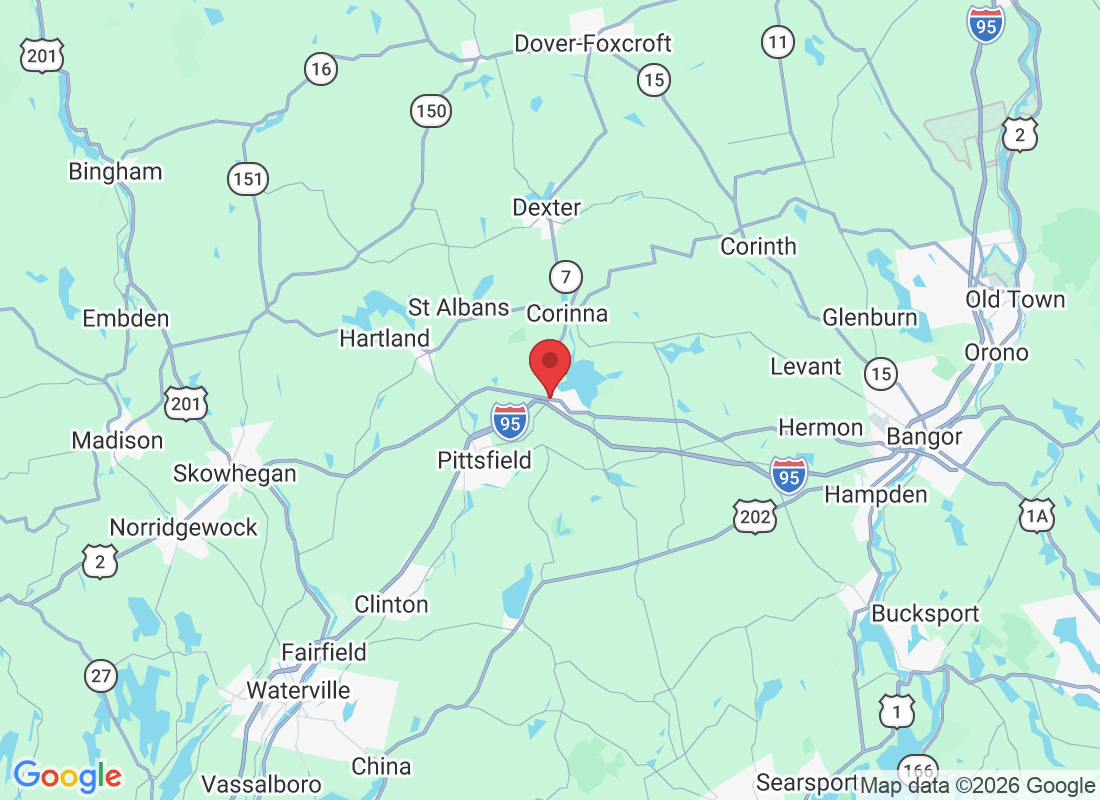
PROUDLY SERVING CENTRAL AND NORTHERN MAINE
Bangor, ME
Orono, ME
Brewer, ME
Gardiner, ME
Pittsfield, ME
Hallowell, ME
Newport, ME
Waterville, ME
Skowhegan, ME
Ellsworth, ME
Augusta, ME
Camden, ME
READY TO TAKE THE NEXT STEP?
REQUEST A FREE ESTIMATE TODAY!

622 Elm Street
Newport, ME 04953
(207) 745-1461