
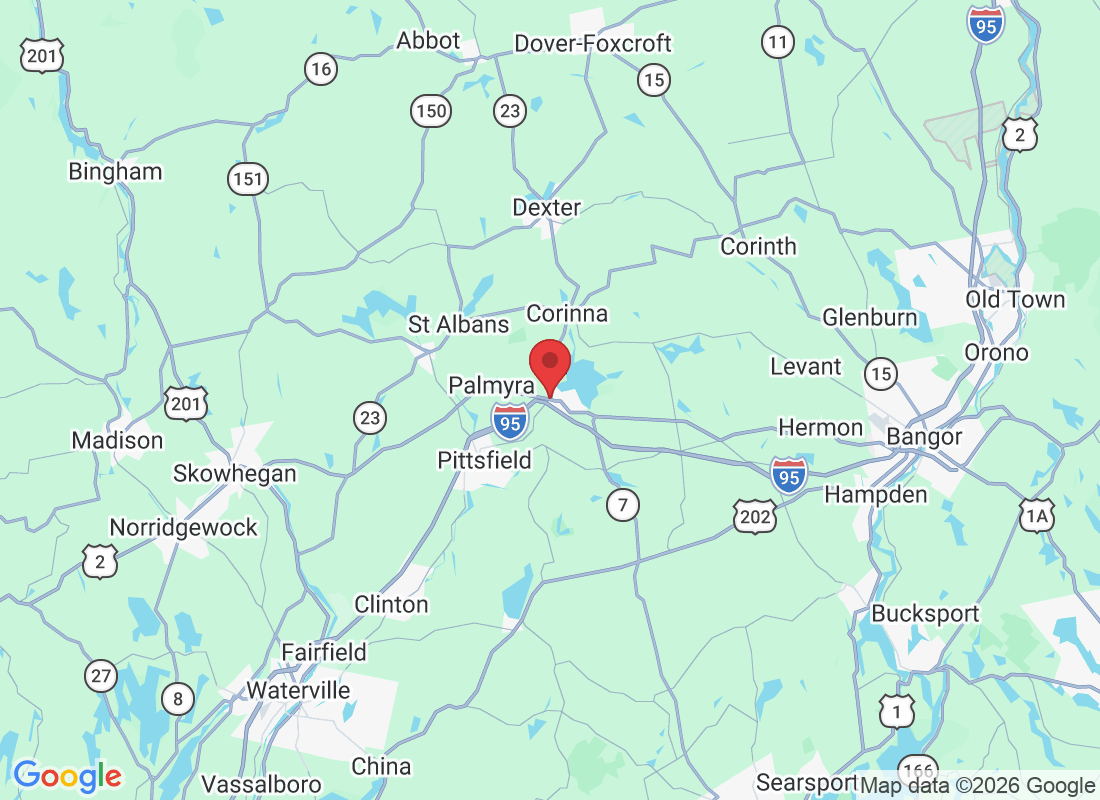
SERVING NEWPORT, BANGOR, WATERVILLE, AUGUSTA, AND ALL OF CENTRAL MAINE
The Complete Guide to Asphalt
Paving in Maine
Everything homeowners and businesses need to know before paving a driveway or parking lot in Maine from site prep and materials to costs, timing, and long-term maintenance.
What You Need to Know Before Paving in Maine
Maine's climate, soil conditions, and freeze-thaw cycles put demands on asphalt that homeowners and business owners in warmer states simply do not face. A paving project done right in Maine lasts 25 to 30 years. One done with the wrong materials, the wrong base, or at the wrong time of year starts showing problems within five.
This guide covers everything you need to know about asphalt paving in Maine: how the process works, what it costs, when to schedule it, how to maintain it, and what separates a contractor who gets it right from one who cuts corners. Use the sections below to find exactly what you are looking for, or read straight through for a full picture before you make any decisions.
Why Asphalt Is the Right Choice for Maine
Asphalt is a mixture of aggregate — crushed stone, gravel, and sand — bound together with a petroleum-based binder called bitumen. It is applied hot, compacted by heavy rollers, and cures into a smooth, durable surface as it cools. It is the most common paving material in Maine for one straightforward reason: it handles the freeze-thaw cycle better than almost any alternative.
Unlike concrete, which is rigid and cracks under frost pressure, asphalt is flexible. It expands and contracts with temperature changes without fracturing. In a state that can see dozens of freeze-thaw cycles in a single winter season, that flexibility is not a minor advantage. It is the reason asphalt driveways outlast concrete ones across Central and Northern Maine. Asphalt is also faster to install than concrete, open to traffic sooner after installation, and significantly easier to repair when sections are damaged.
How Asphalt Paving Works: The Installation Process
The foundation of a long-lasting asphalt surface is what happens before the asphalt is ever touched. The area must be graded properly to direct water away from the pavement and toward drainage. Standing water under asphalt is the primary cause of premature failure. In Maine, where frost pushes moisture through the ground seasonally, getting the grade right at the start is not optional. Existing vegetation, topsoil, and soft material are removed down to a stable sub-base. How deep that excavation goes depends on the soil conditions on your property. Heavy clay soils, which are common across much of Central and Northern Maine, hold water and shift under frost pressure — those conditions require deeper excavation and more substantial base material than a site with well-draining sandy soil.
Once the sub-base is prepared, a compacted gravel base is installed. In Maine, a proper residential driveway base is typically 6 to 12 inches of compacted crushed gravel. Commercial projects and areas with poor drainage or heavy traffic require more. This is where many low-bid paving jobs cut corners: reducing base depth saves time and material cost but produces a driveway that begins shifting and cracking within a few seasons. Once the base is compacted, hot asphalt is delivered and applied — typically 2 to 3 inches of compacted depth for residential driveways, and a two-layer binder plus surface course system for commercial projects. The asphalt is spread by a paving machine and compacted immediately by rollers while it is still hot. Most residential driveways in Maine can be driven on within 24 to 48 hours of installation.
Asphalt Paving Costs in Maine
A standard residential driveway paving project in Maine typically runs between $3 and $7 per square foot for new installation, including site preparation, base material, and asphalt. A 1,000 square foot driveway falls somewhere between $3,000 and $7,000. Driveways that require significant grading work, drainage correction, or unusually deep base preparation due to poor soil conditions will fall toward the higher end or above it. Replacement projects, where existing pavement is removed before the new surface is installed, cost more than new installation over bare ground due to the demolition and disposal of the old material.
Several factors move the final cost significantly. Site access matters: a driveway that a paving crew and delivery trucks can reach easily costs less than one requiring difficult maneuvering. Existing conditions matter: a project starting over bare, well-draining ground is simpler and cheaper than one requiring demolition, drainage correction, or deep excavation through difficult soil. Base requirements are the biggest variable most homeowners do not anticipate. A site with stable, well-draining soil needs less base material than one with heavy clay or poor drainage — and the base is often the difference between the low and high end of any estimate. The best way to get an accurate number for your specific project is a free on-site estimate.
When to Pave: Maine's Paving Season and Climate Factors
Asphalt paving in Maine is a seasonal business, and the season is shorter than most homeowners expect. Hot mix asphalt requires ground temperatures warm enough to allow proper compaction and bonding. As a general rule, paving in Maine is practical from late April or May through October, depending on the specific year and region. Spring is when crews book up quickly, so getting on a contractor's schedule early in the year improves your odds. Summer offers the best working conditions. Fall paving is done regularly but comes with a narrower window — projects that run into November face the risk of ground temperatures dropping too fast for proper compaction.
Maine's freeze-thaw cycle is the single biggest climate factor affecting asphalt longevity. Every time water enters an unprotected asphalt surface and freezes, it expands and widens whatever opening let it in. Over a Maine winter, that process repeats dozens of times. Frost heave, where water in the soil beneath the pavement freezes and causes the ground to lift, is a real issue on sites with heavy clay soil or poor drainage, and it requires specific base design to manage properly. Road salt compounds the problem by accelerating binder breakdown and lowering the freezing point of water, causing more freeze-thaw cycles at temperatures that would otherwise stay above freezing. And mud season, typically March into April, is harder on driveways than most property owners realize as saturated soil loses its load-bearing capacity, and heavy vehicles on a paved surface during the worst of mud season risk rutting and base damage.
How Long Does Asphalt Last in Maine — and How to Make It Last
A properly installed asphalt driveway in Maine, with regular maintenance, lasts 25 to 30 years. That lifespan assumes adequate base preparation, quality materials, professional installation, and a consistent sealcoating schedule. Driveways that skip the sealcoating schedule, were installed with insufficient base depth, or experienced significant frost heave or drainage problems can begin deteriorating in 10 to 15 years. The difference between a 15-year driveway and a 30-year driveway in Maine is almost always the quality of the original installation and whether maintenance was kept up.
Sealcoating should be applied every two to three years on a residential driveway in Maine, starting six months to one year after new installation. A driveway that fades from black to gray is past due, that color change signals that the protective binder is drying out and the surface is becoming brittle. Cracks should be filled as soon as they are identified, before sealcoating and before winter. Even small cracks allow water to enter the pavement, and Maine winters will widen them fast. Sealcoating over unfilled cracks does not seal them, cracks need to be filled first, then the sealcoat applied over a clean, repaired surface. Keep drainage channels clear, remove oil and fuel spills promptly, and avoid heavy vehicle traffic during the worst of mud season.
Asphalt vs. Gravel vs. Concrete: What Makes Sense in Maine
Gravel driveways are common in rural Maine and work well in the right situations. They handle mud season better in some respects because water drains through rather than running off, and they cost less to install initially. The drawbacks are ongoing maintenance: gravel migrates, develops ruts and washboards, and needs regrading periodically. For most homeowners who can afford paving, asphalt is the lower-maintenance, longer-lasting choice. Recycled asphalt is a practical middle option for long private roads or large areas where full paving is cost-prohibitive, it is old asphalt ground up and spread cold, binding together reasonably well over time and performing better than plain gravel in most conditions. It is not a substitute for a properly installed hot mix driveway, but it is a smart option for the right application.
Concrete is more expensive to install than asphalt in Maine and far less forgiving of freeze-thaw stress. Concrete is a rigid material, when frost pressure builds beneath or within it, it cracks. Concrete cracks in Maine are a when, not an if. Repairing concrete is also more difficult and expensive than repairing asphalt. Concrete does last a long time when properly installed and requires less frequent surface maintenance than asphalt, but the upfront cost premium and the poor performance under Maine's freeze-thaw conditions make asphalt the more practical choice for most residential and commercial applications in this state.
How to Choose a Paving Contractor in Maine
The quality of the contractor matters more than almost any other variable in how long your pavement lasts. Ask any contractor you are considering what base depth they are planning and why. A contractor who cannot or will not answer that question clearly is a contractor to avoid. Base depth is not a minor detail, it is the foundation of the entire project, and cutting it short is the most common way low-bid contractors reduce cost while delivering an inferior product. Look for contractors with years of experience working specifically in your region of Maine, where local knowledge of soil conditions, frost depth, drainage challenges, and seasonal timing is what separates a pavement that performs from one that fails early.
Reviews give you a picture of how a contractor actually operates: whether they show up on schedule, communicate clearly, clean up after the job, and stand behind their work. A professional contractor provides a written estimate that details the scope of work, including site preparation, base depth and material, asphalt thickness, and what is included or excluded. Verbal estimates with no documentation are a risk. Make sure any contractor you hire is properly insured and allowed to operate in Maine. If you are getting multiple quotes, ask each contractor the same questions about base depth and materials as the answers will tell you more about the quality of the work than the price alone.
WHAT DO OUR CUSTOMERS SAY ABOUT US?
Great company to work with! Communication is on point. 10/10 recommend. Very easy to work with.
Rowdy Duck Co.
They have done several paving jobs for me. Great quality and pricing, highly recommend. Awesome people to work with.
Casey R.
I needed some driveway cracks filled. They sealcoated my driveway in a few hours and it looks great. Great price too.
Sarah S.
Have Questions About Asphalt Paving in Maine? We Have Answers.
Have questions about asphalt paving, timelines, or pricing? We have got you covered. Serving homeowners and businesses across Bangor, Newport, Waterville, and Augusta, ME.
How much does driveway paving cost in Maine?
Most residential driveways in Maine cost between $3 and $7 per square foot for new installation, including site preparation, base material, and asphalt. A 1,000 square foot driveway typically runs $3,000 to $7,000. Site conditions, drainage requirements, and base depth affect the final cost. The best way to get an accurate number is a free on-site estimate.
What time of year is best to pave a driveway in Maine?
Late May through September offers the most reliable conditions for paving in Maine. Scheduling early in the season ensures better availability with reputable contractors who book up fast during peak months.
How long does an asphalt driveway last in Maine?
A properly installed and maintained asphalt driveway in Maine lasts 25 to 30 years. Consistent sealcoating every two to three years, timely crack filling, and a solid base installation are the factors that determine whether a driveway reaches that lifespan or falls well short of it.
Does frost heave damage asphalt driveways in Maine?
Yes. Frost heave is a real issue in Maine, particularly on sites with heavy clay soil or poor drainage. Proper base installation with adequate depth of compacted crushed gravel is the primary defense. A contractor who understands Maine soil conditions will address frost heave risk in the base design.
Should I repair or replace my existing driveway?
Surface cracking and minor deterioration can often be addressed with crack filling and sealcoating. Alligator cracking patterns, significant rutting, or soft spots in the surface typically indicate base failure and point toward replacement rather than surface repair. A professional assessment will tell you which situation you are dealing with.
How long should I wait to sealcoat a new driveway?
Wait six months to one year before applying the first sealcoat to a newly installed driveway. Fresh asphalt needs time to cure and off-gas before a protective coating is applied. After that first application, move to a two-to-three-year sealcoating schedule.
Is asphalt or concrete better for a Maine driveway?
Asphalt is the better choice for most Maine driveways. Concrete is rigid and cracks under frost pressure. Asphalt is flexible, handles freeze-thaw cycles without fracturing, costs less to install, and is significantly easier to repair when sections are damaged.
What is recycled asphalt and is it a good option in Maine?
Recycled asphalt is ground-up old asphalt applied cold. It costs significantly less than hot mix asphalt and performs better than plain gravel. It is a practical option for long private roads or large areas where full paving is cost-prohibitive, but is not a substitute for a properly installed hot mix asphalt surface in terms of longevity or finish quality.
How soon can you drive on new asphalt?
Most residential driveways are ready for normal vehicle traffic within 24 to 48 hours of installation. Avoid heavy vehicles and stationary loads during the first few weeks of curing.
How do I choose a paving contractor in Maine?
Ask about base depth and materials before signing anything. Look for contractors with documented local experience, verifiable reviews, written estimates, and proper insurance. A very low quote with no explanation of base preparation is a risk worth avoiding.
Helpful Resources

Choosing Asphalt Thickness for Bangor Driveways with Heavy Loads
Get clear guidance on driveway paving in Bangor, Maine for trucks, trailers, and RVs, including asphalt thickness and base depth for freeze-thaw conditions. ...more
Paving and Sealcoating
October 25, 2026•5 min read

When Sealcoating Cannot Save a Maine Driveway
Learn when cracks, alligator damage, and frost heave mean sealcoating services in Maine are not enough to protect your driveway from deeper failure. ...more
Paving and Sealcoating
October 18, 2026•5 min read

Phased Parking Lot Paving Keeps Maine Businesses Open
Learn how parking lot paving in Maine can be phased to keep customers moving, limit disruptions, and work around Maine's short paving season with access plans. ...more
Paving and Sealcoating
October 11, 2026•5 min read
PROUDLY SERVING CENTRAL AND NORTHERN MAINE
Bangor, ME
Orono, ME
Brewer, ME
Gardiner, ME
Pittsfield, ME
Hallowell, ME
Newport, ME
Waterville, ME
Skowhegan, ME
Ellsworth, ME
Augusta, ME
Camden, ME
READY TO TAKE THE NEXT STEP?
REQUEST A FREE ESTIMATE TODAY!

622 Elm Street
Newport, ME 04953
(207) 745-1461