Crack Filling Vs Sealcoating for Maine Driveways in Fall
Crack Filling Vs. Sealcoating For Fall Driveways
For asphalt crack filling in Maine, we recommend fixing cracks wider than a quarter inch before sealcoating. Crack filling blocks water before freeze-thaw cycles can reach the gravel base. Sealcoating comes after that, when the driveway is still structurally sound and needs surface protection.
A sealcoat protects the top of the asphalt, but it cannot repair open cracks or a failed base. Standard residential sealcoating typically runs from $750 to $1,500, while crack filling costs far less than repaving. We would rather tell you to fix the small problem now than sell you a bigger job you do not need.
Crack Filling Stops Water at the Surface
A crack is an open path for water. Once water gets below the asphalt, it can freeze, expand, and push the crack wider through a Maine winter. By spring, what began as a narrow line can become a broken edge, a low area, or a deeper repair.
Crack filling is a good fit for driveways with normal aging and isolated damage, such as:
Straight cracks running across or along the driveway
Open cracks near driveway edges
Small gaps wider than a quarter inch
A few scattered cracks in otherwise firm asphalt
Our asphalt paving and repair work starts with looking at what is under the crack, not just what is visible on top. Filling cracks early helps protect the gravel base, which is why it costs far less than a full repave.
Fall is a practical time to inspect your driveway before leaves, snow, sand, and plow traffic hide the damage. Newport and nearby Central and Northern Maine communities deal with frost heave and repeated freezing weather that can turn a small opening into a larger break.
Sealcoating Protects Sound Asphalt
Sealcoating is surface maintenance for asphalt that is still holding together. It helps protect against sun exposure, road salt, sand, moisture, and normal wear. It does not rebuild weak asphalt, level a settled area, or correct frost heave coming from below.
A driveway with faded color, a few properly filled cracks, and no soft spots may be a good candidate for professional sealcoating. In most cases, we recommend sealcoating every 2 to 4 years. New asphalt should generally cure for 6 to 12 months before its first sealcoat.
Here is the plain difference:
Filled cracks and sound asphalt, sealcoating may make sense
Open cracks wider than a quarter inch, fill them first
Low spots or standing water, inspect drainage and the base
Connected cracking or soft areas, repaving is needed
If the structure is sound, a $750 to $1,500 sealcoat can be sensible maintenance. If the base is failing, sealcoat would only cover the problem for a short time.
Connected Cracks Need Repaving
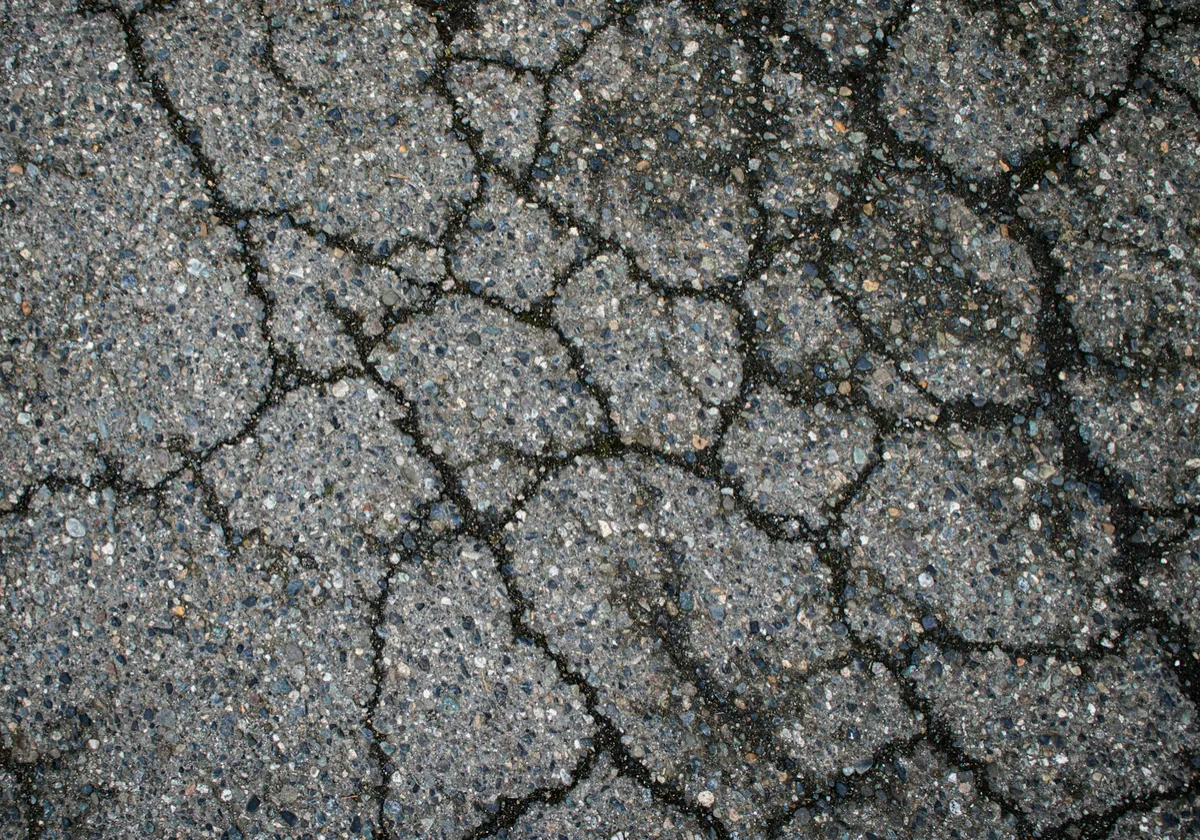
Alligator cracking is a connected web of cracks that looks like reptile skin. It means the base has failed. That is a repaving job, not a sealcoating or patching job.
Before we recommend asphalt crack filling in Maine, we inspect crack width, soft spots, standing water, low areas, driveway edges, and signs that the gravel base is moving. The asphalt surface often tells us there is a problem below it.
For replacement work, ask what thickness is included in the quote and why. Standard residential asphalt is 2 to 3 inches compacted over a gravel base. Areas used by trucks, trailers, RVs, or plow equipment may need 4 inches of asphalt. A quote that skips those details leaves too much unanswered.
Fall Repairs Need a Clear Scope
Maine has a short paving season. Asphalt places best when temperatures stay above 50 degrees consistently, so paving work generally runs from late spring through early fall. By September, it makes sense to inspect early rather than wait for the first hard weather shift.
Spring posted road weight restrictions can also affect material deliveries and scheduling in parts of Central and Northern Maine. A fall assessment gives you time to plan crack filling, patching, grading, or paving before spring schedules tighten.
A weak quote may recommend sealcoating over alligator cracking, skip crack preparation, ignore drainage, or fail to list asphalt thickness. A solid quote explains whether you need crack filling, patching, sealcoating, or base repair, along with the reason for that recommendation. That is the practical standard we follow in our driveway assessments.
Keep Small Cracks From Becoming Bigger Repairs
Cracks wider than a quarter inch deserve attention before fall rain and freeze-thaw weather can reach the base. Maine Paving can assess the surface and explain whether asphalt crack filling in Maine is the practical repair for your driveway. If you are ready for a clear recommendation and a straightforward quote, contact us.
Common Questions About Fall Driveway Maintenance
Can Sealcoating Fill Driveway Cracks?
No. Sealcoat is not crack repair material. Cracks wider than a quarter inch should be filled before sealcoating so water has less chance to reach the gravel base.
Is Fall A Good Time For Asphalt Crack Filling In Maine?
Yes. Fall crack filling can help stop water before freeze-thaw cycles widen the opening over winter. Larger paving projects still need appropriate weather, with asphalt placing best above 50 degrees consistently.
How Do I Know If I Need Repaving Instead?
Alligator cracking, soft spots, major settling, and recurring low areas usually point to a base problem. A structurally sound driveway may need only crack filling and sealcoating. When alligator cracking shows the base has failed, repaving is the right use of your money.